

On Siracusa’s inland side, Neapolis Archaeological Park brings the city’s ancient landmarks together before your day moves on to Ortigia’s historic streets. Start with the archaeological area, leave time for the Paolo Orsi Museum, then finish around Piazza Duomo.
- Morning: Neapolis Archaeological Park, including the Greek Theatre and nearby ruins.
- Afternoon: Museo Archeologico Regionale Paolo Orsi, then Ortigia.
- Park tickets: Published full-price admission is €14.00 and reduced admission is €7.00.
- Planning: See a four-star hotel near Neapolis.
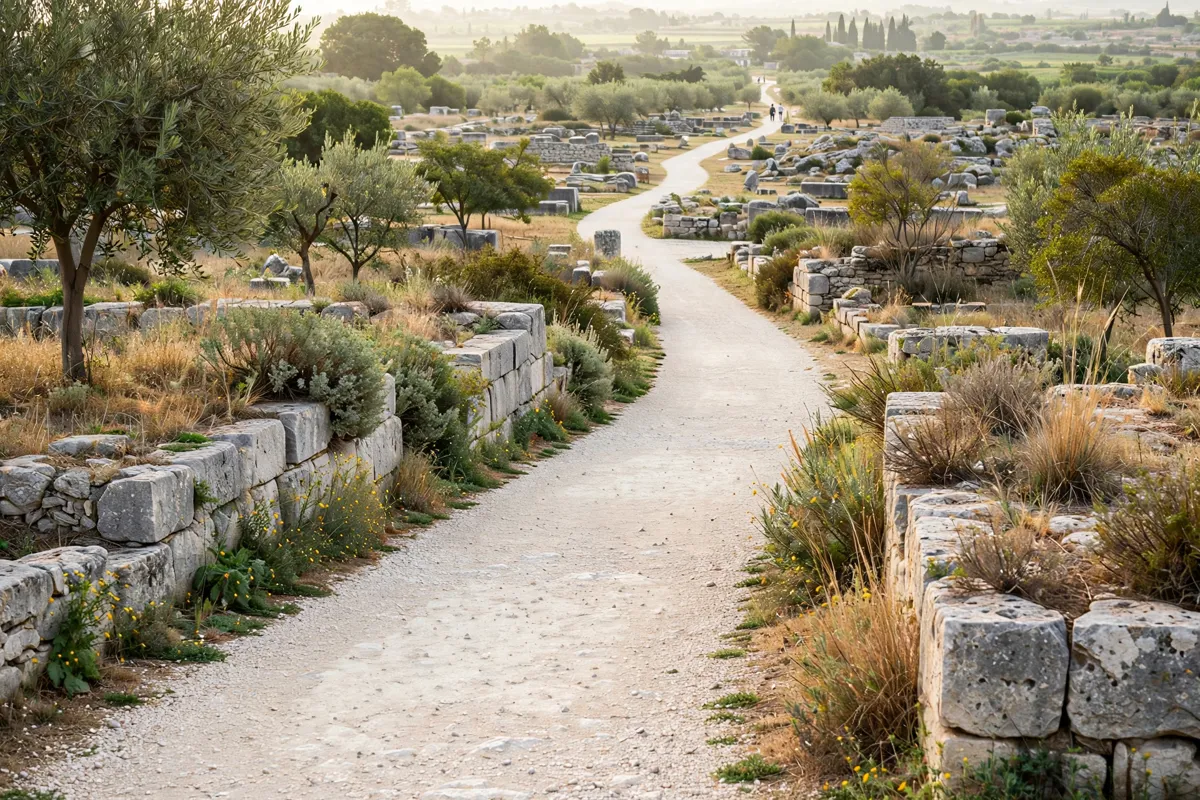
Morningstart with Neapolis Archaeological Park
Begin your day at the Neapolis Archaeological Area in Siracusa, where the park brings several ancient landmarks together. Take the main archaeological visit at an unhurried pace, then use the Greek Theatre and nearby remains as the focus for late morning.
The published full-price ticket is €14.00, with a reduced ticket at €7.00. Opening hours change by season, and the ticket office closes before the park, so check the official Neapolis page before you go.
For a more detailed look at the site’s landmarks and planning, the Neapolis Archaeological Park guide covers what to see.
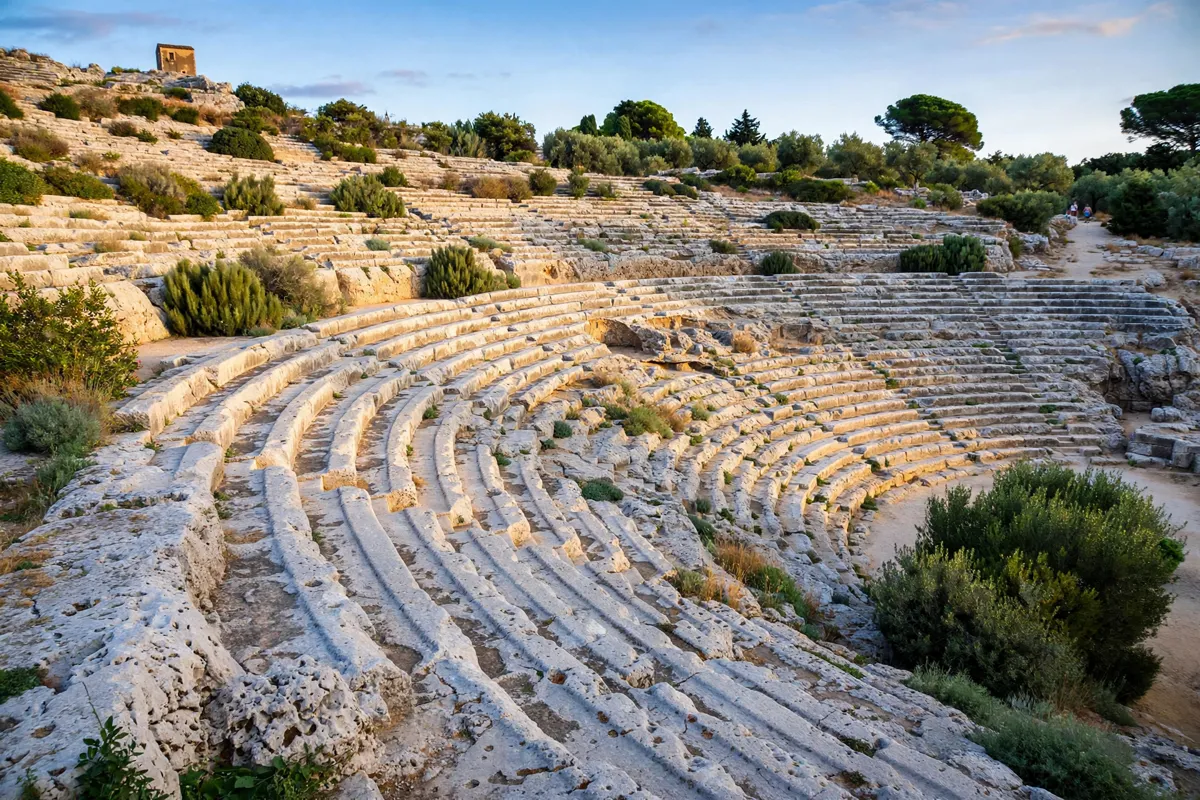
Late morningGreek Theatre and nearby ruins
The Greek Theatre is a natural centrepiece for the Neapolis portion of your day. Once you are at the park, include the nearby ruins in the same visit rather than treating them as a separate outing.
Other landmarks in this archaeological area include the Ear of Dionysius, Grotta del Ninfeo, Via dei Sepolcri, Chiesa di San Nicolò dei Cordari and the Roman amphitheatre. A focused visit can keep to the theatre and nearby remains, while extra time lets you add more of these sites.
The Greek Theatre visit guide offers a closer look at Syracuse’s ancient stage.
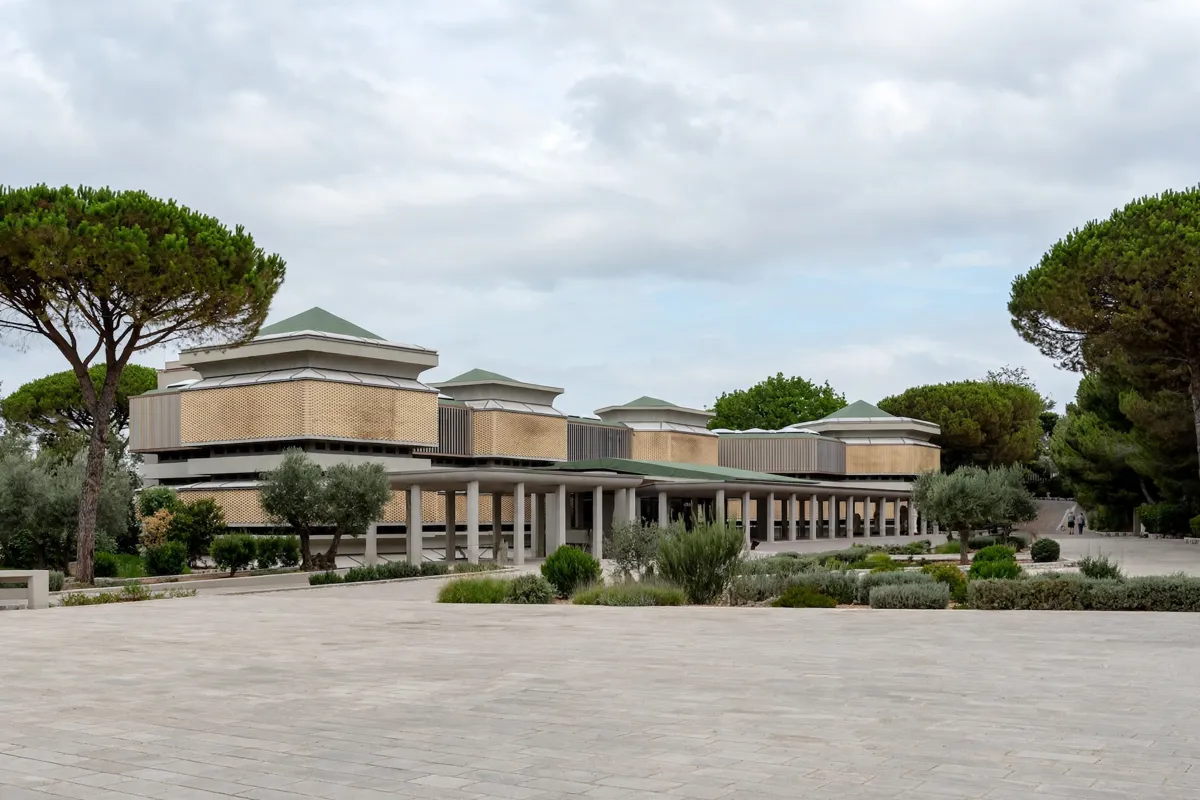
Afternoonmake time for the Paolo Orsi Museum
Set aside the afternoon for the Museo Archeologico Regionale Paolo Orsi, which gives the day a museum stop after the outdoor archaeological area.
Keep the museum visit as its own stop before heading to Ortigia. The Museo Archeologico Regionale Paolo Orsi visitor guide focuses on planning a visit there.
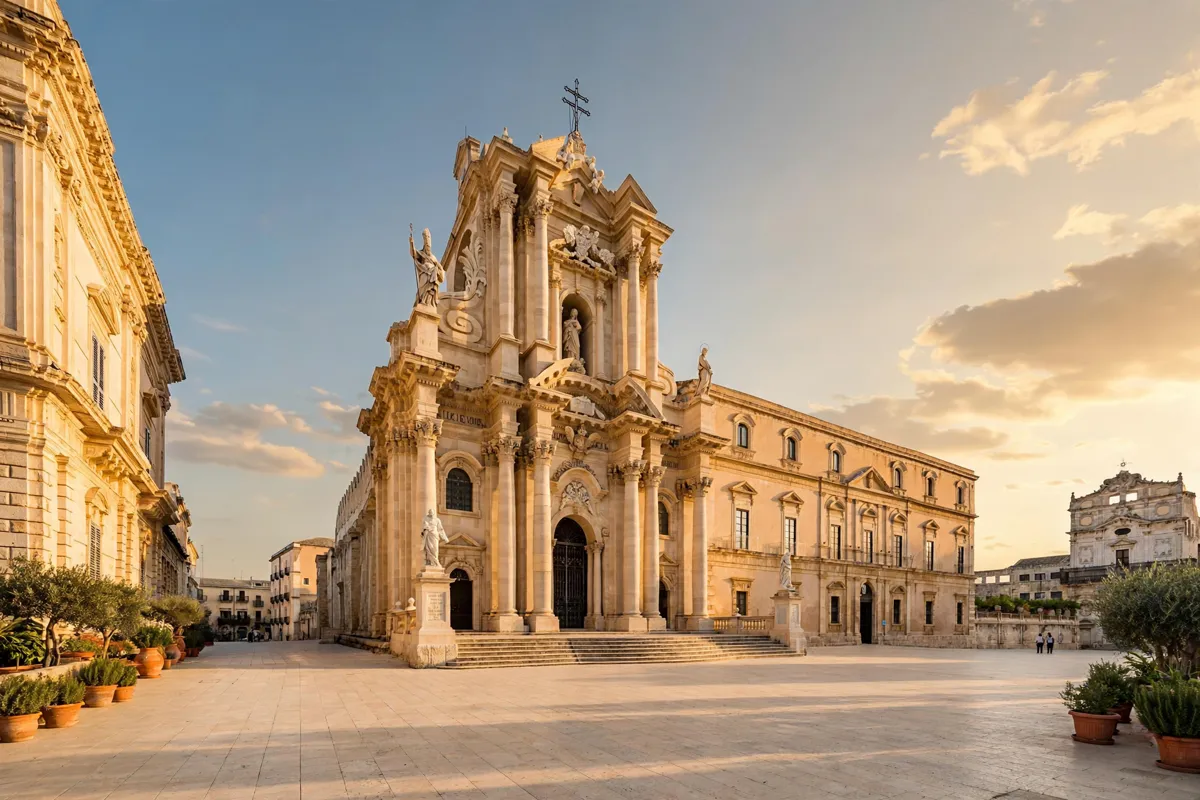
Later: walk through Ortigia and Piazza Duomo
- Ticket
- office hours that vary by season
Finish your day in Ortigia, Siracusa’s historic centre, and make Piazza Duomo the anchor for a walk through the area. The square is also the location of Syracuse Cathedral.
The cathedral has paid admission, with ticket-office hours that vary by season; it is closed on Sundays and cannot be visited during religious services. Its entrance is accessible to visitors with disabilities, with no architectural barriers. Check the cathedral’s official information before planning your visit around its hours.
The Piazza Duomo hypogeum is a subterranean route connecting the square east–west to the Marina walls, with a main gallery and smaller galleries. Published information about its opening status, hours and admission conflicts, so confirm directly with the relevant cultural authority before making it part of your plan.
For a route focused on the old town, the walk through Ortigia lays out the historic-centre section.
Practical timing and transport between stops
Keep the day in two broad parts: Neapolis and the museum first, then Ortigia. From Panorama Hotel, the Greek Theatre is about a 19-minute walk; pair the visit with nearby sites such as the Ear of Dionysius while you are in the archaeological area.
Tourist transport regulations identify Ortigia, Neapolis Archaeological Park and the Paolo Orsi Archaeological Museum among the points of interest. The Ortigia route passes Molo S. Antonio parking area, Via Malta, Ponte S.
Lucia, Via dei Mille, Viale Mazzini, Via Ruggero Settimo and Passeggio Aretusa. Tourist transport by velocipedes and motocarrozzette is described as a seasonal service operating from April 1 to October 31.
FAQs
How much does Neapolis Archaeological Park cost?
The published full-price ticket is €14.00 and the reduced ticket is €7.00. Check the official Neapolis page before your visit for current ticket and seasonal-hours details.
Can you visit Neapolis and Ortigia in one day?
Yes. This itinerary groups Neapolis and the Paolo Orsi Museum into the first part of the day, then leaves the later hours for Ortigia and Piazza Duomo.
Is the Piazza Duomo hypogeum open?
Published sources conflict about its current status, hours and ticket price. Confirm with the relevant cultural authority before planning a visit.